
Professional Dual-Channel Black Dynamic Processor
4.7Editor score
Dual channel precision control
Overeasy compression algorithms
VCA circuitry clarity
This guide compares the top ten hardware compressors for home studios, evaluating features, sound quality, and performance for professional audio recording
Selecting the right hardware compressor for your home studio is essential for achieving polished, professional sounding recordings. These devices provide precise control over dynamic ranges, ensuring your tracks maintain consistency and clarity throughout the mix process.
We have carefully evaluated ten distinct models based on their sonic characteristics, build quality, and versatility. Each unit was analyzed for its ability to handle various instruments and vocals while offering intuitive controls for both beginners and seasoned engineers.
Every pick in this list highlights unique strengths tailored to different recording scenarios and budget levels. Please note that pricing and availability may fluctuate over time, so always verify current details before making your final purchasing decision today.
4.7Editor score

4.6Editor score

4.6Editor score
This section provides a side by side comparison of all ten selected hardware compressors to help you quickly identify which model best fits your specific recording requirements and budget constraints.


The dbx 266xs stands out as a robust and reliable hardware compressor ideal for home studio environments needing consistent dynamic control. Its industry recognized reputation ensures that engineers can trust it to handle vocals, guitars, and drums without introducing unwanted artifacts or noise.
We may earn a commission when you buy through this link, at no additional cost to you.
This unit excels at smoothing uneven levels while adding sustain to instruments through its programmable compression settings. The separate precision LED displays make it easy to monitor gain reduction and thresholds accurately, allowing for quick setup and adjustments during recording sessions.
While it may lack some modern digital features, its analog signal path provides a warm and natural tone that complements many recording styles. The built in noise gate ensures clean audio by eliminating background hiss when no signal is present.
Engineers seeking a straightforward and effective tool for dynamic processing should consider this model for its proven track record and ease of use. It serves as an excellent foundation for any home studio rack looking to achieve professional sounding results.
The dedicated LED displays allow users to see exact gain reduction and threshold levels instantly.
The sidechain insert enables advanced techniques like frequency ducking for tightening mix elements.
We may earn a commission when you buy through this link, at no additional cost to you.
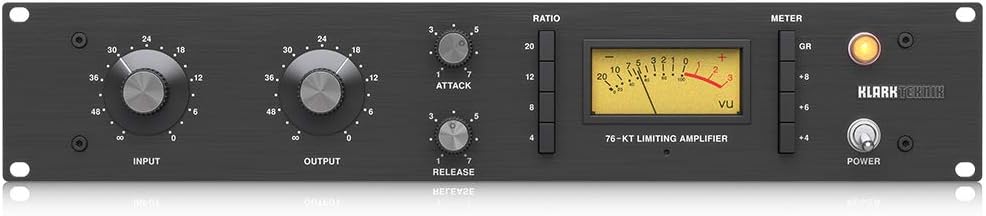
The Klark Teknik 76-KT brings the iconic sound of classic FET compressors into modern home studios with exceptional fidelity. Modeled after legendary units, it delivers the fast attack times and aggressive compression character that rock and pop producers crave for snare drums and vocals.
We may earn a commission when you buy through this link, at no additional cost to you.
Its completely discrete signal path ensures minimal coloration and maximum clarity throughout the audio chain. The Class A line level output amplifier adds warmth and detail, while custom Midas transformers provide robust isolation and low noise performance.
Users appreciate the push button selection for compression ratios which offers quick and repeatable settings without dialing knobs. However, the lack of automatic release controls might require more manual tweaking during complex dynamic passages.
Producers looking to inject vintage energy and punch into their mixes will find this unit invaluable for its distinct sonic signature. It is a premium choice for those willing to invest in high end analog gear for their setup.
This compressor captures the fast attack and aggressive vibe of classic studio standards perfectly.
Custom Midas transformers and discrete components ensure top tier signal integrity.
We may earn a commission when you buy through this link, at no additional cost to you.
The Warm Audio WA-1B is a dedicated single channel optical compressor that offers smooth and natural dynamic control for home recording. Its tube based design adds a pleasing harmonic warmth that complements vocals and bass without sounding overly processed or digital.
We may earn a commission when you buy through this link, at no additional cost to you.
Optical compression is known for its program dependent behavior which allows transients to pass through naturally while controlling overall levels. This makes it ideal for leveling out performances that vary in intensity throughout a take.
While it lacks detailed metering or sidechain options, its simplicity is often a strength for engineers focused on tone rather than precise technical adjustments. The high compression ratio control lets you dial in subtle leveling or aggressive shaping.
Musicians seeking a touch of vintage color and effortless leveling should consider this unit for its character and ease of use. It fills a specific niche for those who want the classic optical sound without the high cost of original vintage gear.
The optical cell reacts to signal levels dynamically for a musical and transparent compression effect.
Built in tubes add rich harmonics that enhance the overall tone of recorded sources.
We may earn a commission when you buy through this link, at no additional cost to you.
This dual channel black dynamic processor offers exceptional value for home studio owners needing professional features at a budget friendly price point. It delivers smooth dynamics control for vocals and instruments with advanced Overeasy compression that ensures natural transitions into gain reduction.
We may earn a commission when you buy through this link, at no additional cost to you.
The unit is equipped with premium XLR and TRS inputs allowing seamless integration into any existing signal chain. Independent LED indicators for gain reduction and gate thresholds provide the visual feedback necessary for precise setup without guesswork.
Although it lacks the complex circuitry of higher end models, its VCA design enhances vocal warmth and detail effectively. The built in noise gate is particularly useful for cleaning up recordings in untreated rooms or noisy environments.
Budget conscious producers looking for versatility and performance will find this unit a smart addition to their rack. It balances cost and capability well, making professional dynamic processing accessible to a wider range of creators and artists.
This feature ensures the compressor transitions smoothly without audible clicks or pumping effects.
Full XLR and TRS support ensures compatibility with mixers interfaces and instruments easily.
We may earn a commission when you buy through this link, at no additional cost to you.
The ART Solo VLA is a single channel multi voice compressor that stands out for its flexible control options and high user satisfaction. It allows users to switch between tube and solid state modes, offering distinct tonal flavors for different recording sources.
We may earn a commission when you buy through this link, at no additional cost to you.
Its mastering quality audio signal path ensures clarity and transparency while maintaining the warmth of analog processing. The inclusion of analog optical isolators helps preserve signal integrity and reduces interference during critical recording tasks.
A variable blend control lets you mix uncompressed and compressed signals to retain natural transients while controlling dynamics. This is particularly useful when you want to add compression without losing the punch of the original performance.
Engineers who value tonal flexibility and transparency will appreciate this unit for its ability to adapt to various sources. It is an excellent choice for solo artists or vocalists needing a dedicated processor for their primary microphone.
Switching between modes allows you to choose between warm tube saturation and clean solid state processing.
Mixing dry and wet signals preserves original dynamics while adding controlled compression.
We may earn a commission when you buy through this link, at no additional cost to you.
The dbx DBX286SV is a comprehensive channel strip processor designed to handle multiple audio tasks in a single unit. It combines a high quality microphone preamp with compression, de essing, enhancement, and gating, making it a one stop shop for vocal recording.
We may earn a commission when you buy through this link, at no additional cost to you.
The classic dbx compression reduces dynamic range effectively to bring vocals to the forefront of mixes with clarity. The enhancer adds definition and punch to high and low frequencies, giving tracks a more polished and professional finish.
A loop out feature allows users to insert external processors between the preamp and the processing sections for custom signal chains. This flexibility is rare in this price range and offers significant creative potential for engineers.
Vocalists and podcasters seeking a complete solution for signal processing will find this unit incredibly convenient and effective. It saves rack space and simplifies setup while delivering reliable performance for both live and studio applications.
Four independent effects combined with a preamp eliminate the need for multiple individual processors.
The loop out jack enables integration of external gear for tailored processing workflows.
We may earn a commission when you buy through this link, at no additional cost to you.
This dual channel vocal compressor is tailored specifically for managing vocal dynamics in home studios and live setups. Its design focuses on enhancing vocal clarity and presence through a classic VCA circuit that delivers warmth and detail to spoken word and singing.
We may earn a commission when you buy through this link, at no additional cost to you.
The built in Overeasy compression ensures smooth transitions into gain reduction avoiding the pumping effect that can sound unnatural. Adjustable attack and release controls allow precise shaping to match the nuances of different vocal performances.
A dedicated sidechain insert supports frequency based ducking which is useful for lowering background music when a host speaks. This feature adds versatility beyond simple level control and helps create dynamic and engaging mixes.
Streaming hosts and podcasters will find this unit particularly useful for maintaining consistent audio levels throughout broadcasts. Its reliable performance and simple interface make it easy to integrate into existing audio workflows without technical hurdles.
The circuitry is optimized to bring vocals to the front of the mix naturally.
Use the insert to automate volume changes based on frequency content for professional broadcasts.
We may earn a commission when you buy through this link, at no additional cost to you.
The Behringer Classic 2-Channel captures the legendary sound of the Neve 33609 providing rich vintage tone and cohesion to mixes. It offers both compressor and limiter modes allowing for subtle musical compression or aggressive peak control depending on the session needs.
We may earn a commission when you buy through this link, at no additional cost to you.
Developed with input from engineers who worked with Rupert Neve this unit ensures authentic sound while meeting modern production demands. The custom built Midas transformers contribute to its warm and detailed sonic signature across the frequency spectrum.
Adjustable threshold, recovery, gain, and ratio controls allow precise sculpting of dynamic range without compromising natural characteristics. Presets on the recovery control adapt to the input signal ensuring smooth and musical dynamics during varied material.
Mixing engineers needing a stereo bus compressor to glue tracks together will appreciate its authentic vintage vibe and flexibility. It is an ideal choice for mastering or final mix bus processing where character and consistency are paramount.
Inspired by the Neve 33609 this unit delivers classic glue and warmth to modern productions.
Two channels offer independent bypass and linking for versatile stereo or mono operation.
We may earn a commission when you buy through this link, at no additional cost to you.
The ART SCL2 is a versatile dual channel compressor and limiter suitable for both independent channel processing and linked stereo operation. Its flexible design allows users to switch between automatic and manual attack release settings for adaptability to different sources.
We may earn a commission when you buy through this link, at no additional cost to you.
Stereo mode includes a balance control which helps ensure both channels track together accurately for a cohesive stereo image. This makes it a reliable tool for compressing the main bus or stereo instruments like keyboards and guitar rigs.
The unit features precise LED level meters that give clear visual feedback on signal levels and gain reduction. This monitoring capability is essential for avoiding over compression and ensuring consistent performance across various recording scenarios.
Studio owners needing a straightforward and reliable stereo compressor will find this unit offers great value and simplicity. It handles common compression tasks efficiently without unnecessary complexity making it easy to dial in good results.
Linking channels ensures both sides respond identically for balanced stereo processing.
Switch between automatic settings for ease or manual for precise control over transient shaping.
We may earn a commission when you buy through this link, at no additional cost to you.
The Warm Audio Bus-Comp is a high end stereo VCA bus compressor designed for professional mixing and mastering environments. It delivers precise dynamic control with a rich vintage character that adds weight and cohesion to complex mixes effectively.
We may earn a commission when you buy through this link, at no additional cost to you.
Equipped with Cinemag transformers this unit provides a robust and warm tone that enhances the overall sound quality of recorded tracks. The five compression ratios offer a wide range of dynamic shaping from subtle leveling to aggressive pumping effects.
A sidechain input filter allows users to target specific frequencies for compression which is useful for managing low end without affecting highs. This level of control is essential for modern production techniques that demand detailed dynamic management.
Producers willing to invest in premium gear will find this compressor offers the transparency and color needed for top tier productions. It is a definitive choice for engineers seeking the best possible analog bus compression solution for their studio.
Custom Cinemag transformers deliver exceptional warmth and signal integrity for professional results.
The sidechain filter lets you compress specific frequencies to maintain balance in dense mixes.
We may earn a commission when you buy through this link, at no additional cost to you.
Choosing the right hardware compressor involves evaluating several key factors that affect sound quality, usability, and overall performance in your specific recording environment.
Hardware compressors typically use VCA, optical, tube, or FET circuits which each impart unique sonic characteristics. VCA units are often transparent and precise while optical compressors are smoother and program dependent. Tubes add warmth and FET circuits are known for fast attack and punch.
Consider the type of sound you want to achieve before selecting a circuit style to ensure it matches your production goals.
Dual channel compressors offer versatility for stereo processing or treating two sources simultaneously. Single channel units are simpler and often more affordable for focused tasks like vocal recording.
Determine if you need stereo bus processing or individual channel control to guide your choice on channel count.
A sidechain input allows external signals to trigger compression which is essential for techniques like frequency ducking. This feature is useful for managing background music or cleaning up low end in a mix.
If you plan on doing advanced mixing techniques ensure the unit you choose includes a dedicated sidechain insert.
Clear LED or VU meters are crucial for monitoring gain reduction and setting accurate thresholds. Look for intuitive knobs and switches that make adjustment easy without digging into menus.
Prioritize units with visual feedback to streamline your workflow and ensure consistent compression settings.
Home studios often require gear that can withstand regular use without frequent maintenance issues. Look for units with metal chassis and high quality components to ensure long term reliability.
Investing in a durable model reduces the risk of failure during critical recording sessions over time.
Ensure the compressor supports balanced inputs and outputs like XLR and TRS for noise free signal paths. Additional features like loop outs can offer further flexibility for integrating external gear.
Verify that the input output options match your existing audio interface and mixer connections before buying.
Hardware compressors vary widely in price from budget friendly options to premium studio grade units. Consider how much you will use the unit and whether the features justify the cost for your workflow.
Balance your budget with the features you actually need to get the best value for your investment.
Different compressors add unique coloration or transparency to audio which can define the tone of your recordings. Research reviews or demos to understand the sonic character of each model.
Choose a compressor that complements your existing gear and preferred style of music production.
Start by setting the ratio and threshold to achieve the desired amount of gain reduction. Use the attack and release controls to shape how quickly the compressor reacts and recovers from peaks.
Regularly calibrate your unit using known reference tracks to maintain consistent performance. Check connections periodically to ensure no loose cables are affecting signal quality or introducing noise.
Keep your hardware compressor in a clean and dry environment to prevent dust accumulation. Use a rack with proper ventilation to avoid overheating during long mixing sessions or heavy usage.
VCA compressors use a voltage controlled amplifier to provide precise and fast dynamic control often used on drums and buss. Optical compressors rely on a light dependent resistor for smoother and more gradual compression ideal for vocals and bass. Each type offers unique sonic character.
Hardware compressors offer tactile control and unique analog circuitry that plugins often emulate but cannot fully replicate. They can add a level of depth and character that enhances your recordings. However plugins remain useful for detailed automation and recall.
Adjust the threshold until you see the gain reduction meter moving slightly on peaks. Lowering it increases compression while raising it reduces the amount of dynamic control applied. Aim for natural sounding leveling without squashing transients.
Yes you can use a hardware compressor on digital audio by inserting it between your interface and computer. This allows you to process signals before they are recorded or during monitoring for real time effects. Ensure proper gain staging to avoid digital clipping.
Sidechain ducking uses a secondary audio signal to trigger compression on the main track which lowers volume when the secondary signal is active. This is commonly used to reduce background music when a voice speaks. It creates a dynamic and engaging listening experience.
Generally place compression before reverb and delay to control dynamics before time based effects are added. Placing it after can smooth out the tails of these effects but may reduce clarity. Experiment to see what fits your specific mix best.
We have explored ten exceptional hardware compressors ranging from affordable dual channel units to premium vintage style processors. Each option offers unique strengths tailored to different recording needs and budgets for home studio engineers.
Prioritize the circuit type and channel count that best suit your primary recording tasks such as vocals or mastering bus processing. The right choice will enhance your workflow and improve the overall polish of your mixes.
Remember to verify current pricing and availability before purchasing since market conditions can change frequently. Investing in the right hardware compressor today will pay dividends in the quality of your audio work.