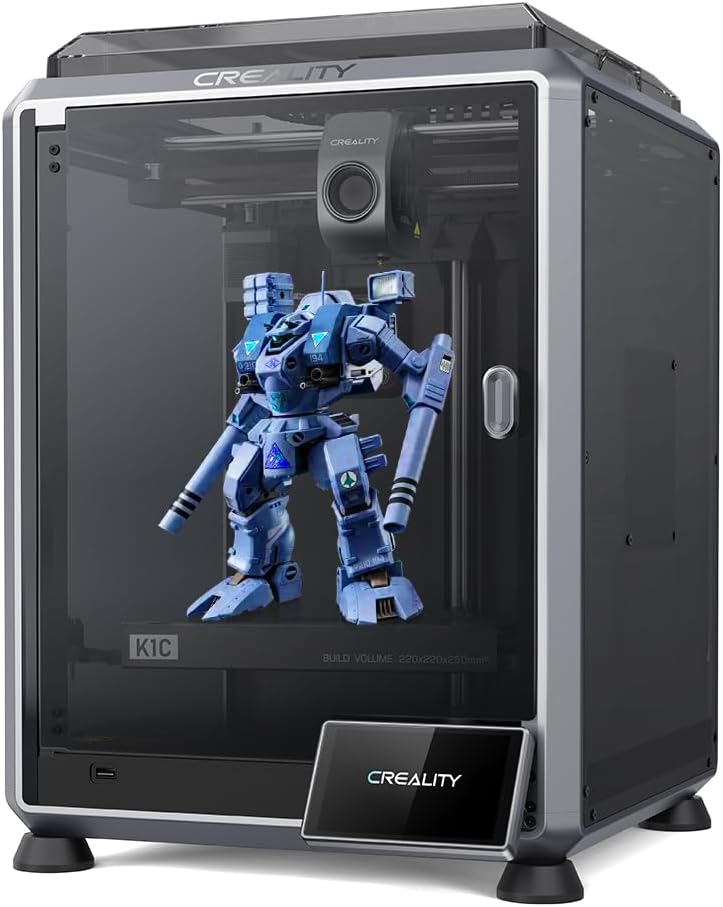
Creality K1C
4.3Editor score
Supports carbon fiber filament printing
Direct extruder with 300 C nozzle
AI camera for failure detection
This guide compares the top 3D printers for high temperature filaments like ABS PC and Nylon helping you choose the best machine for engineering grade projects.
Finding a reliable 3D printer for high temperature filaments is crucial for creating durable engineering parts. These machines must handle materials like ABS ASA and Nylon without warping or clogging during the printing process.
We evaluated ten leading models based on chamber heating nozzle capability and build volume. Each option offers unique features for speed precision and multi-material support to suit different project needs and budget constraints effectively.
Each pick highlights key strengths and ideal use cases for various makers. Please note that availability and specific configurations may change over time so always verify current details before making your final purchase decision today.
4.3Editor score
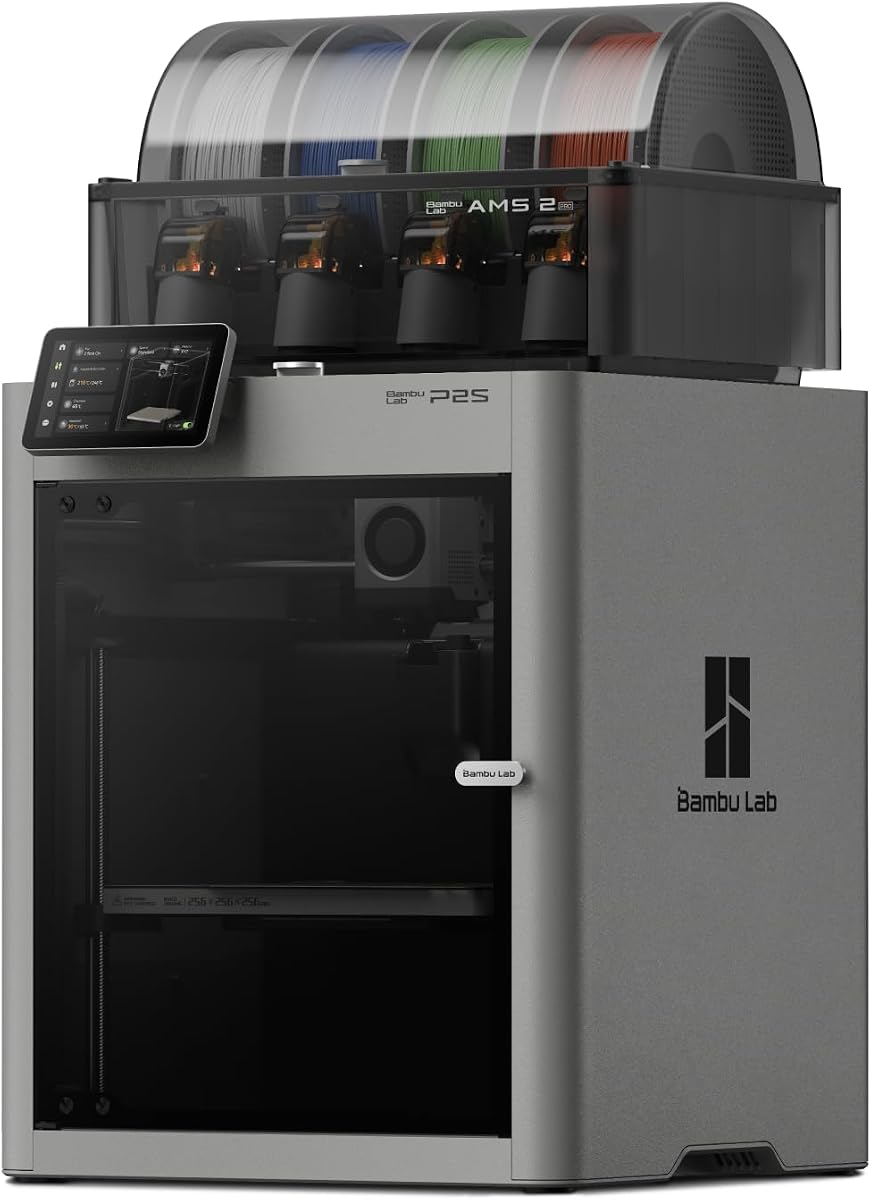
4.7Editor score

4.4Editor score
This side by side comparison reviews all ten selected models focusing on their ability to print high temperature materials efficiently. Look at specs like nozzle max temperature chamber heat and build size to find the right fit.


The Bambu Lab P2S Combo stands out as a top choice for high temperature printing with its advanced airflow system. It maintains a stable 50 C chamber ensuring ABS and ASA print without warping. The integration of the AMS 2 Pro adds multi color capability.
We may earn a commission when you buy through this link, at no additional cost to you.
This machine excels at speed and precision thanks to its PMSM Servo Extruder and active flowrate compensation. You get sharp corners and smooth layers consistently. The adaptive airflow ensures overhangs stay crisp while retaining heat for engineering materials.
Setup is quick taking about 15 minutes to get printing. While it requires the combo for multi color it offers a seamless workflow. The carbon filter keeps the air clean which is important for long prints with engineering filaments.
Ideal for professionals or serious hobbyists needing reliable performance. If you want high speed and quality for technical parts this is a strong recommendation. The system handles complex workflows with ease.
The adaptive airflow system balances cooling and heat retention effectively for consistent results.
The AMS 2 Pro enables filament drying and seamless switching for multi color prints.
We may earn a commission when you buy through this link, at no additional cost to you.
The Creality K1C offers exceptional value for users needing to print abrasive high temperature materials like carbon fiber. It features a robust direct extruder and a titanium alloy heatbreak designed to prevent clogging. Speed is a major highlight here.
We may earn a commission when you buy through this link, at no additional cost to you.
With speeds up to 600 mm/s you can produce parts quickly. The auto calibration saves time on setup and ensures better bed adhesion. The AI camera helps you monitor prints remotely to catch errors early.
While it is an open frame printer the cooling system is upgraded to reduce warping. However for very high temp filaments you might want to add a chamber enclosure. This unit is a great entry into engineering printing.
Best for those on a budget who need speed and durability. The steel tipped copper nozzle and hardened parts make it reliable for tough filaments. It is a solid choice for functional prototypes.
The hardened nozzle and direct extruder are designed specifically for carbon fiber and similar filaments.
Ready to use in minutes with auto calibration and leveling features included.
We may earn a commission when you buy through this link, at no additional cost to you.
The FLASHFORGE Creator 5 Pro is built for industrial grade high temperature printing with an active chamber heating up to 65 C. This ensures materials like Polycarbonate and Nylon print without warping. The four independent extruders eliminate cross contamination.
We may earn a commission when you buy through this link, at no additional cost to you.
Safety is a priority with HEPA13 filtration capturing volatile particles during prints. The rigid all metal frame ensures stability at high speeds. Tool changes happen in seconds which keeps workflows moving smoothly.
While this is a premium machine the quality of print justifies the investment. The adaptive air circulation prevents drafts that could ruin prints. It is ideal for environments where air quality matters.
Perfect for professional workshops or engineering teams. The ability to print complex multi material parts efficiently is a key strength. It offers reliability that matches the price tag.
Active heating maintains consistent temperature for the most challenging engineering materials.
Four separate extruders allow for true multi color printing without purging waste.
We may earn a commission when you buy through this link, at no additional cost to you.
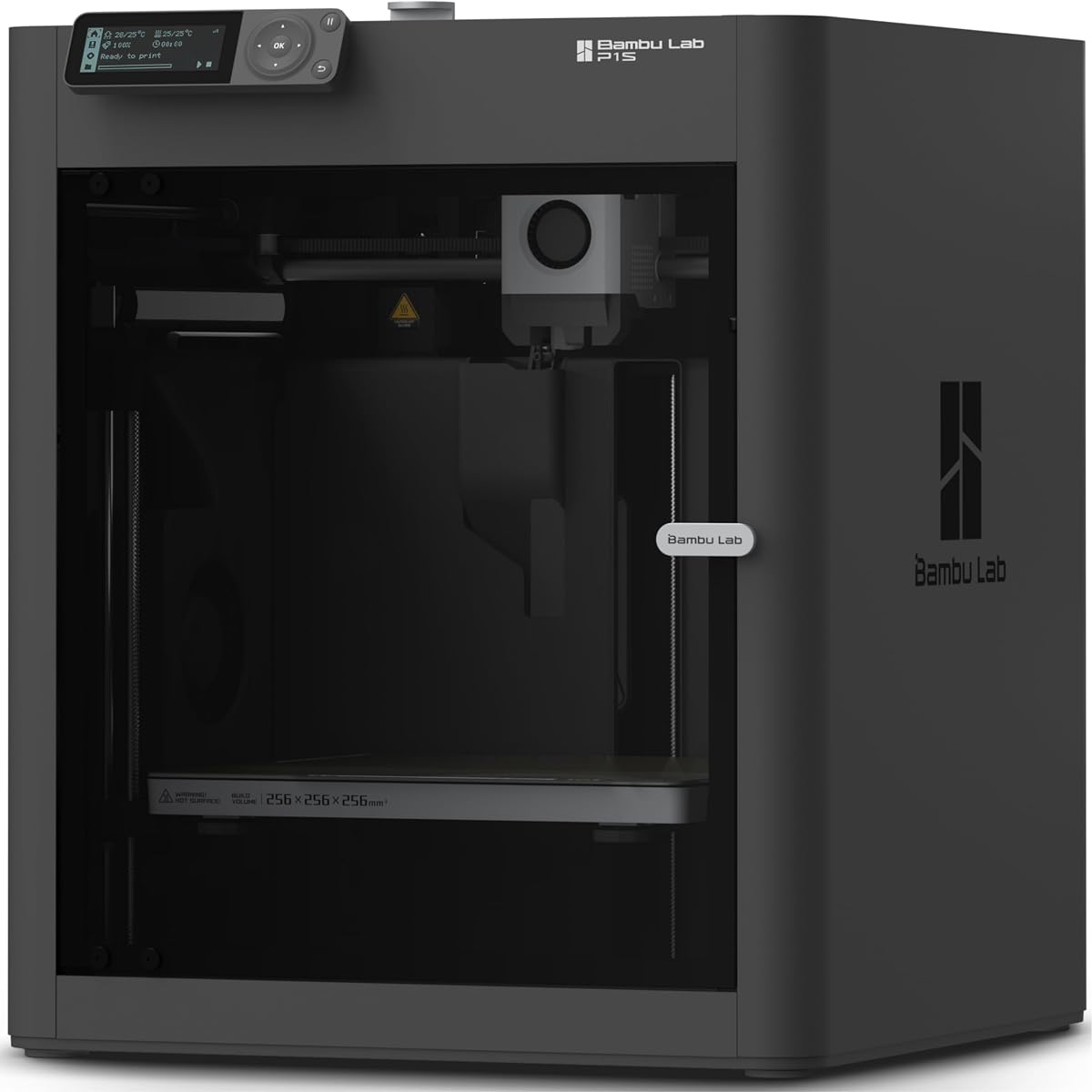
The Bambu Lab P1S is a reliable enclosed printer capable of handling ABS and ASA easily. It is ready to use out of the box with auto bed leveling. The build volume is decent for most engineering prototypes.
We may earn a commission when you buy through this link, at no additional cost to you.
Speed is excellent with acceleration up to 20000 mm/s². You can get parts faster than on many traditional printers. The enclosure helps maintain a stable environment which reduces warping on larger parts.
While it does not have an active heater like the P2S the insulation is sufficient for many materials. It is great for users upgrading from open frame printers. The software integration is seamless and intuitive.
Best for general engineering use without the need for abrasive filaments. It balances speed and quality well. A solid choice for makers needing consistent results.
The full enclosure protects prints from drafts and retains heat better than open frames.
Bambu Studio provides smooth workflow from design to finished print.
We may earn a commission when you buy through this link, at no additional cost to you.
The Bambu Lab A1 is an excellent choice for beginners entering high temp printing. It features full auto calibration so you do not need to adjust settings manually. The motor noise canceling makes it quiet.
We may earn a commission when you buy through this link, at no additional cost to you.
Speed is impressive with 10000 mm/s² acceleration. You can print details quickly without losing accuracy. The active flow rate compensation ensures smooth lines even with difficult filaments.
Since it is open frame you may need to manage airflow carefully for ABS. It is great for PETG or lower temp engineering plastics. The interface is simple and friendly for new users.
Perfect for home use or education. The quick swap nozzle makes maintenance easy. It is a strong starting point for learning engineering printing.
Full auto calibration handles Z offset and leveling automatically.
Active motor noise canceling keeps the printing environment peaceful.
We may earn a commission when you buy through this link, at no additional cost to you.
The FLASHFORGE AD5X offers a great mix of speed and color options at a budget friendly price. The IFS system allows up to four colors in one print. The 300 C nozzle handles engineering plastics well.
We may earn a commission when you buy through this link, at no additional cost to you.
At 600 mm/s printing is fast and efficient. The large build volume allows for bigger prototypes. Fully automatic leveling ensures a good start every time.
While it lacks a heated chamber it can still handle ABS with some airflow management. It is a versatile choice for hobbyists needing multi color and high temp support. The build plate is generous.
Best for those wanting variety without high cost. The speed ensures you get parts fast. A solid pick for creative engineering projects.
Independent Filament System enables vibrant multi color prints easily.
600 mm/s printing reduces wait times significantly.
We may earn a commission when you buy through this link, at no additional cost to you.
The Anycubic Kobra S1 Max stands out with a massive 350mm build volume. This allows for large scale engineering parts in one go. It features a 65 C heated chamber and a 350 C hotend for tough materials.
We may earn a commission when you buy through this link, at no additional cost to you.
The CoreXY motion system ensures stability at high speeds. Vibration compensation reduces ringing on prints. The AI camera monitors for failures to save materials.
The titanium alloy throat tube prevents clogs with long runs. It is great for functional prototypes that require size. The chamber heat is critical for PC and Nylon prints.
Ideal for large scale prototyping. The active chamber ensures quality regardless of room temp. It is a strong contender for industrial use.
The 350x350x350mm area allows printing full scale helmets or footwear.
720P camera detects spaghetti failures in real time.
We may earn a commission when you buy through this link, at no additional cost to you.
The Flashforge AD5X is designed for direct multi color printing with IFS. It handles PLA PETG and metal filaments well. The 300 C nozzle ensures high temp support when needed.
We may earn a commission when you buy through this link, at no additional cost to you.
Vibration compensation helps maintain quality at high speeds. The magnetic PEI plate makes part removal easy. Dual band Wi-Fi allows remote monitoring easily.
While it is an open frame it works well for many filaments. For high temp materials you may need to add an enclosure. The 30 second nozzle swap saves time.
Best for artists needing color and speed. The build volume is versatile for small to medium parts. It is a flexible tool for various projects.
IFS system allows for 4 color printing without purging waste.
HD camera and app control let you manage prints from anywhere.
We may earn a commission when you buy through this link, at no additional cost to you.
The Snapmaker U1 offers a unique 4 toolhead system with a 5 second changer. It enables true multi material printing without purging waste. The independent heads avoid cross contamination issues.
We may earn a commission when you buy through this link, at no additional cost to you.
With 500 mm/s speed it is efficient for complex parts. The rigid CoreXY frame ensures stability. Calibration is automatic for smooth results.
It combines flexible and rigid materials in one print. The software supports various filaments like TPU and PVA. It is powerful for advanced users.
Perfect for multi material prototypes. The waste reduction is a major plus. A top choice for professional creators.
SnapSwap system reduces tool change time to just 5 seconds.
Independent toolheads reduce material waste by up to 5X.
We may earn a commission when you buy through this link, at no additional cost to you.
The FLASHFORGE Creator 5 Pro is built for industrial multi material printing with 4 toolheads. It features an active heated chamber of 65 C to prevent warping. The near zero waste system saves material.
We may earn a commission when you buy through this link, at no additional cost to you.
Speed is high at 600 mm/s with a rigid CoreXY frame. The safety system includes HEPA and carbon filters. This ensures a safe workspace environment.
Tool changes happen in 7 seconds without flushing filament. It is designed for high throughput production. Remote monitoring is available via mobile app.
Best for professional manufacturing. The waste reduction adds value. A reliable choice for engineering.
FlashSwap technology eliminates purge waste and reduces costs.
Dual HEPA 13 and carbon system traps ultrafine particles.
We may earn a commission when you buy through this link, at no additional cost to you.
Selecting the right machine for high temperature materials requires attention to several key technical factors.
Ensure the printer supports a nozzle temp of at least 300 C for engineering plastics. Higher limits allow you to work with specialized industrial materials safely.
Look for all metal hotends to manage heat creep during long prints.
An active chamber heater helps keep parts stable while printing ABS or Nylon. This prevents warping caused by sudden temperature drops during cooling cycles.
Passive enclosures help but active heating is better for difficult materials.
Choose a build volume that fits your largest planned prototypes comfortably. Large parts may fail if the printer limits their dimensions.
Consider 350 mm dimensions for bigger functional components.
Abrasive filaments need hardened steel or diamond tipped nozzles. Soft brass nozzles wear out quickly with carbon fiber filled materials.
Direct extruders often provide better grip for flexible or tough filaments.
High temp materials absorb moisture easily which causes print defects. Built-in dryers help maintain dry filament without extra devices.
Check if the system allows you to dry spools before loading.
If you need complex parts use independent toolheads or a multi color system. This allows different materials to mix without manual swaps.
Systems with purge waste reduction save material and time.
Fast printers like CoreXY reduce wait times. Ensure vibration compensation is included to keep quality high.
Look for acceleration specs above 10000 mm/s2 for rapid movement.
User friendly slicing software simplifies high temp settings. Auto calibration features reduce setup time significantly.
Remote monitoring helps you catch failures before they ruin a print.
Always preheat the chamber and nozzle fully before printing. This ensures consistent extrusion and prevents clogging.
Keep filaments dry by storing them in sealed bags or using built in dryers to avoid moisture issues.
Clean the nozzle regularly and check for wear if you use abrasive materials like carbon fiber.
ABS requires a nozzle temperature around 240 to 260 C. It also needs a heated bed at 100 C and an enclosed chamber to prevent warping.
Yes Nylon often needs 260 to 300 C to flow properly. Ensure your printer supports these limits before purchasing.
Polycarbonate is extremely strong but hard to print. Nylon is also durable and easier to handle for functional parts.
A HEPA filter is recommended for printing ABS and other materials that release fumes. It improves air quality in the room.
Use a heated chamber and ensure your bed is clean. Proper adhesion and steady temperatures prevent parts from peeling.
They require a hardened nozzle and good ventilation. Always wear a mask when handling the dust from failed prints.
The Bambu Lab P2S and FLASHFORGE Creator 5 Pro lead in performance with active heating and multi material support. Creality K1C offers a great budget option for those starting out.
Prioritize chamber temperature and nozzle durability based on the materials you plan to use. Reliable calibration features will save you time.
Always check current availability before making a final decision. Technology evolves quickly so stay updated on the latest specs for your projects.