
Mcbazel 3 in 1 Handheld Digital Anemometer
4.5Editor score
Measures wind speed temperature
Beaufort scale display included
Compact and portable design
This guide compares the top 10 marine anemometers for sailors and boaters evaluating accuracy durability and features to help you choose the right wind meter
Marine anemometers are essential tools for sailors who need accurate wind data for safe navigation and performance tuning. Whether you are racing or cruising reliable wind speed and direction readings help you make informed decisions on the water every time you sail.
We compared ten top-rated models ranging from handheld devices to integrated masthead systems to find the best options for different needs and budgets. Our analysis focuses on accuracy build quality ease of use and how well each unit performs in harsh marine environments.
Each pick shows key strengths and weaknesses so you can find the perfect match for your vessel and sailing style. Please note that prices change frequently so check current listings before making your final purchase decision online.
4.5Editor score

4.5Editor score

4.4Editor score
This side-by-side comparison highlights the key specifications and features of all ten products to help you quickly identify the model that fits your specific marine needs and sailing requirements.


The BTMETER BT-100 stands out as a versatile handheld anemometer that delivers reliable wind speed data for sailors and outdoor enthusiasts alike. With a solid rating from users it offers a balanced mix of precision and portability that suits both casual and technical applications.
We may earn a commission when you buy through this link, at no additional cost to you.
Its standout qualities include the ability to measure wind speed in five different units including knots which is essential for marine navigation. The built-in tripod hole allows for stable mounting during continuous monitoring sessions while the bright backlit LCD ensures readability even in low light conditions.
While the device is compact and easy to carry it does require batteries which are included but may need replacement over time. The wind range is suitable for most recreational boating scenarios but might not cover extreme high wind conditions for professional racing.
Sailors who need a dependable handheld wind meter without breaking the bank should consider this model. Its combination of features accuracy and ease of use makes it a top recommendation for anyone looking to track wind conditions effectively.
The ability to switch between mph knots and other units makes this device adaptable for international sailing and various wind standards.
The threaded tripod hole on the bottom allows users to secure the device for hands-free operation during long monitoring periods.
We may earn a commission when you buy through this link, at no additional cost to you.
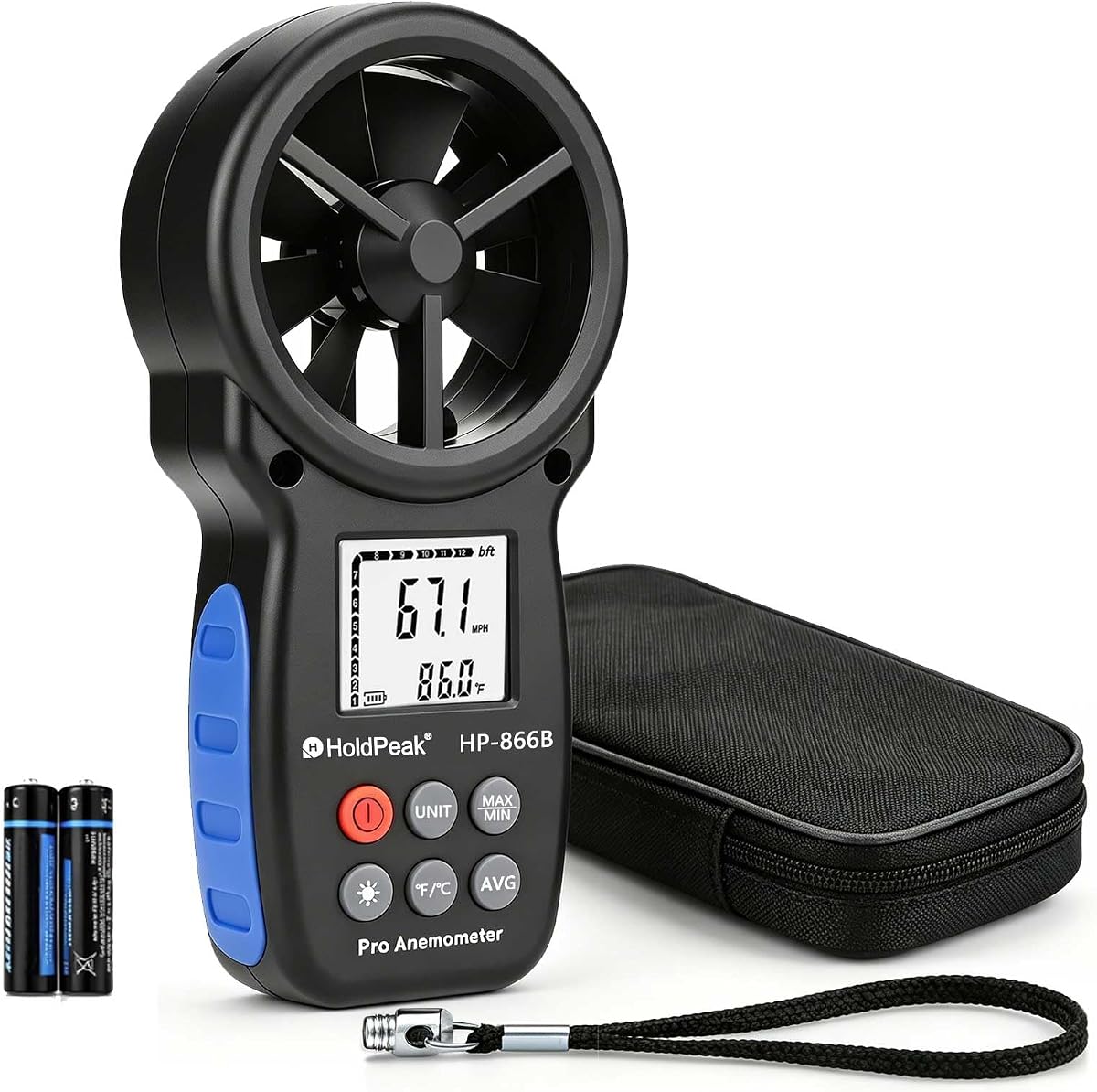
The HoldPeak 866B offers an excellent entry point for sailors needing basic wind speed data without overspending. It combines essential functions with a rugged design that includes a carrying pouch to protect the device during transport.
We may earn a commission when you buy through this link, at no additional cost to you.
Its dual temperature sensors provide accurate wind chill readings which are useful for understanding actual weather conditions on deck. The hand strap prevents accidental drops while the tripod hole enables secure mounting for stationary measurements.
Though it lacks some advanced features found in higher-end models it covers the fundamentals well. The auto off function helps conserve battery life and the backlight ensures visibility in dim lighting.
Budget-conscious boaters will appreciate the value this unit provides. It is a reliable tool for general wind monitoring and is perfect for those who need a straightforward solution without extra complexity.
The inclusion of a carrying pouch and hand strap adds significant value and protects the device during outdoor adventures.
Max Min and Average speed tracking helps users understand wind trends over time which is vital for safe sailing decisions.
We may earn a commission when you buy through this link, at no additional cost to you.
The Inspeed Magnetic Mount Anemometer provides a unique solution for temporary wind monitoring on metal surfaces. Its high rating reflects user satisfaction with its precision and ease of use across various environments.
We may earn a commission when you buy through this link, at no additional cost to you.
The magnetic base allows for quick attachment to railings or masts making it ideal for spot checks. Calibration ensures that readings remain accurate over time which is critical for performance sailing.
While it requires a metal surface for the magnet to work effectively it offers unmatched convenience. The compact design means it does not take up much space when not in use.
Boaters who need occasional wind data without installing permanent hardware will find this device useful. Its precision and portability make it a strong contender for those seeking flexibility in wind measurement.
Factory calibration ensures that wind speed readings are reliable which is essential for serious sailors tracking performance data.
The magnetic mount allows for instant placement and removal saving time when you need immediate wind data.
We may earn a commission when you buy through this link, at no additional cost to you.
The Raymarine Instrument Wind I60 Display Only is a critical component for sailors upgrading their existing instrumentation. It serves as the central interface for wind data when paired with a compatible transducer.
We may earn a commission when you buy through this link, at no additional cost to you.
Its clear display ensures that wind speed and direction are easily readable even in bright sunlight. The design matches other Raymarine instruments making it a seamless addition to the cockpit.
While it requires a separate masthead unit which adds to the overall cost it offers reliability and integration. The backlighting is adjustable for night use and the interface is intuitive.
Sailors with existing Raymarine systems will benefit from the compatibility. It is a solid choice for those looking to replace a faulty display without changing their entire setup.
This display works seamlessly with Raymarine wind sensors allowing for a unified data view across all navigation instruments.
Adjustable backlighting ensures that critical wind data remains visible during night watches without blinding the crew.
We may earn a commission when you buy through this link, at no additional cost to you.
The TopTes TS-301 features a large backlit LCD that makes reading wind data effortless in any lighting condition. It is a versatile device suitable for sailing and other outdoor activities due to its comprehensive data tracking.
We may earn a commission when you buy through this link, at no additional cost to you.
Beyond wind speed it also measures humidity and temperature which provides a fuller picture of weather conditions. The six unit options allow for flexibility depending on local standards or user preference.
The auto shutdown feature conserves battery life when the device is left idle. However users should note that sensors may take time to adjust to new environments for accurate readings.
Sailors who need detailed environmental data will find this unit valuable. Its combination of features and ease of use makes it a strong choice for modern boaters.
Humidity and temperature readings add context to wind speed helping you understand the full weather picture.
The automatic shutdown after ten minutes ensures battery life is preserved for when you need it most.
We may earn a commission when you buy through this link, at no additional cost to you.
The Raymarine E28081 provides a complete replacement solution for damaged anemometer bowls and vanes. It is an essential part for maintaining accurate wind data on older Raymarine ST series instruments.
We may earn a commission when you buy through this link, at no additional cost to you.
The kit includes all necessary screws and an Allen key making installation straightforward. It fits ST50 ST60 and ST80 models ensuring compatibility with common legacy systems.
While it is not a standalone meter it restores functionality to existing setups. The durability of the components ensures that the system performs reliably after replacement.
Owners of older Raymarine systems will find this part invaluable for keeping their instruments operational. It is a cost-effective way to extend the life of existing marine electronics.
This kit works with ST50 ST60 and ST80 models making it a versatile option for many sailors with older gear.
All hardware and tools needed for installation are included so you do not need to source extra parts.
We may earn a commission when you buy through this link, at no additional cost to you.
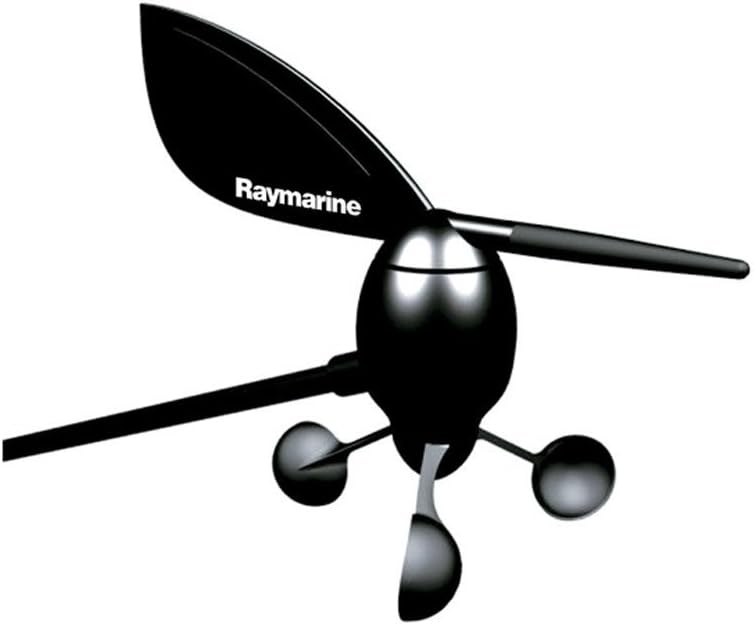
This latest version of the Raymarine Masthead Wind Arm represents the current standard for marine wind transducers. It is designed to deliver accurate speed and direction data even in harsh conditions.
We may earn a commission when you buy through this link, at no additional cost to you.
The vane and cups are built with durability in mind to withstand salt and wind exposure. It ensures that your onboard instruments receive reliable signals for navigation and performance.
Installation should be done carefully to ensure proper alignment and cable management. The precision engineering ensures that the data provided matches the reality of wind conditions at sea.
Boaters with Raymarine systems need a reliable masthead unit will find this is the best choice. It is an investment in accuracy and safety for long term sailing.
Updates in the latest version include improved durability and accuracy which enhances overall system performance.
High quality materials ensure the unit survives the harshest marine environments without failure.
We may earn a commission when you buy through this link, at no additional cost to you.
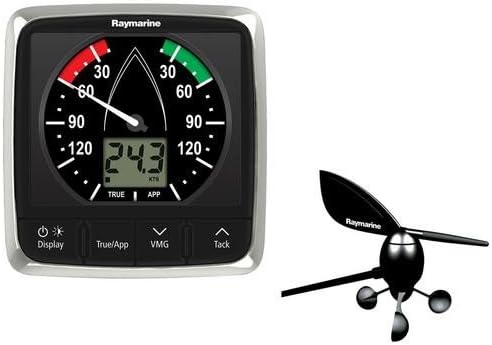
The Raymarine i60 Wind System with Masthead offers a complete wind measurement solution for serious sailors. It combines a durable masthead transducer with a clear display that fits into existing instrument panels.
We may earn a commission when you buy through this link, at no additional cost to you.
The analog dial and digital graphics ensure quick readability during racing or cruising. With a 30 meter cable it fits most boat sizes without the need for extensions.
Low power consumption is a major benefit for long voyages where energy management is critical. The red backlighting ensures visibility at night without affecting night vision.
This system is ideal for those who prioritize reliability and integration. It is a premium choice for vessels that depend on accurate wind data for navigation.
Having both the masthead and display in one package simplifies installation and ensures compatibility between components.
The low power draw helps preserve battery power which is vital during extended offshore passages.
We may earn a commission when you buy through this link, at no additional cost to you.
The Raymarine i60 Wind Display System provides comprehensive wind data including true wind angle which is essential for performance sailing. The masthead wind vane is engineered to handle extreme conditions with precision.
We may earn a commission when you buy through this link, at no additional cost to you.
Users can customize the display to show the most relevant fields for their needs. This flexibility ensures that you always have access to critical information at a glance.
The robust design ensures years of trouble-free operation even with saltwater exposure. The adjustable backlight allows for comfortable viewing day or night.
Sailors who need detailed wind data will find this system indispensable. It offers a level of precision and customization that supports both racing and long distance cruising.
Access to true wind angle data helps you optimize sail trim and make better strategic decisions on the water.
You can choose which data fields to display ensuring that your view is tailored to your sailing style.
We may earn a commission when you buy through this link, at no additional cost to you.
The Mcbazel 3 in 1 Handheld Digital Anemometer is a budget-friendly option for casual sailors and hobbyists. It measures wind speed temperature and wind level providing essential data for safe sailing.
We may earn a commission when you buy through this link, at no additional cost to you.
The Beaufort scale display helps users quickly interpret wind conditions in a standard format used by mariners. The double-line LCD shows multiple readings at once making monitoring easier.
While it is not as durable as premium units it offers great value for occasional use. The low battery indicator ensures you are never caught off guard during a trip.
Boaters looking for an inexpensive way to track wind conditions will appreciate this model. It is a practical tool for those who need basic data without a large investment.
Displaying the Beaufort scale helps you communicate wind strength effectively with other crew members or mariners.
This device provides essential wind metrics at a very accessible price point making it ideal for entry level users.
We may earn a commission when you buy through this link, at no additional cost to you.
Selecting the right marine anemometer depends on your sailing style vessel size and budget. This guide outlines the key factors to consider before making a purchase.
Accuracy is critical for safe navigation and performance sailing. Look for models that offer tight tolerances and reliable calibration to ensure readings match real conditions. High quality sensors reduce errors that could impact your sailing decisions.
Prioritize units with proven accuracy records and positive user feedback for reliability.
Your display should be easy to read in various lighting conditions. Backlit LCD screens or analog dials with clear markings help you see data at a glance. Avoid models with small text that require glasses in bright sunlight.
Choose a display size and contrast that suit your eyes and cockpit visibility needs.
Consider how the device will be mounted on your boat. Handheld units are portable but masthead systems provide continuous data. Ensure the mounting method is secure and does not interfere with sailing operations.
Select a unit that matches your installation skills and available space on deck.
Marine environments are harsh with salt and humidity corroding electronics. Look for units rated for marine use with protective coatings. Durability ensures longevity and reduces maintenance costs over time.
Choose devices with proven resistance to water and salt to withstand sea conditions.
Different sailors prefer different units such as knots mph or meters per second. Ensure the anemometer allows easy switching to match your preference. This flexibility is vital for international sailing or diverse weather reporting.
Select a model that offers the units you use most often for convenience.
Battery life affects how often you need to replace cells. Some units use solar or low power designs to minimize maintenance. Check if batteries are included and how long they last under typical use.
Prioritize units with long battery life to avoid interruptions during trips.
Features like wind chill humidity or max min tracking add value to your measurements. Decide which extras are useful for your sailing needs. Some models also offer data hold or average calculations for better analysis.
Choose a unit with features that directly support your sailing or weather monitoring goals.
Price varies significantly between handheld and integrated systems. Determine your budget while considering long term value. A higher cost unit may offer better durability and features that pay off over time.
Balance cost with performance needs to find the best value for your situation.
When using your anemometer ensure it is calibrated before each trip. Follow the manufacturer instructions to reset the device and check readings against known standards.
Clean the device regularly with fresh water to prevent salt buildup. Store it in a dry place to avoid moisture damage during downtime.
Check battery levels frequently to avoid unexpected failures. Replace batteries as needed and ensure the device is fully charged if rechargeable.
A marine anemometer measures wind speed and direction to assist sailors in navigation and sail trim. It helps predict weather changes and ensures safe sailing by providing real-time wind data on the water.
Handheld wind meters can be highly accurate if they are well calibrated. Most top models have an error margin of about two percent which is sufficient for recreational and some competitive sailing.
The choice depends on your needs. Masthead units provide continuous data for navigation while handheld units are portable for spot checks. Many sailors use both for comprehensive wind monitoring.
Standard models may lack marine specific features like corrosion resistance. It is best to use units designed for marine use to ensure durability against salt and humidity.
Calibration should be done before critical trips and at least once a year. Regular calibration ensures that readings remain accurate and reliable for safe sailing decisions.
Sailors often use knots as the standard unit for wind speed. However some models allow switching to mph or km/h which can be useful depending on your location or preference.
Prices range from affordable handheld units to high-end integrated systems. While premium models cost more basic handheld options provide good value for casual sailors.
Maintain your wind meter by cleaning it with fresh water and storing it in a dry place. Regularly check batteries and inspect the device for signs of wear or damage.
In summary the top picks range from affordable handhelds to integrated masthead systems. Each option offers unique benefits for different sailing styles and budgets.
Prioritize accuracy and durability when selecting a unit. The right anemometer can improve safety and performance on the water.
Remember to check current prices and availability before purchasing. Models may vary by region so confirm details with your local retailer.